Lean Production
Lean processes – attractive opportunities.
 The desire of companies to become leaner has little to do with vanity. Efficiency and cost savings are standard objectives in many organizations – whether related to process effort or workforce deployment, lead time or inventory levels.
When it comes to efficiency, experience and sound judgment are essential. As LogistikPlan consultants, we take an unbiased look at current processes. Based on the analysis results, we derive – together with the responsible managers in production and logistics – concrete optimization approaches. In this way, both small and large potentials are identified, carefully evaluated and prioritized in an action list.
Is lean your opportunity? Here are the details:
► Optimization objectives
Lean organizations fundamentally aim to eliminate waste of any kind. As long as it is not counterproductive, reducing effort directly leads to cost savings.
To improve logistics and production efficiency, LogistikPlan focuses on up to four resources that require different methodological approaches to optimization:
- Process efficiency: waste-free order processing with clear responsibilities
- Material efficiency: reduction of procurement effort, material costs and waste volumes
- Space efficiency: structuring and densification of functions, reduction of idle inventories
- Time efficiency: shortening lead times, increasing delivery reliability
► Analytical foundations
The starting point of efficiency consulting is the potential analysis. It serves to identify waste and quantify potential using
- qualitative analysis methods (e.g. process workshops, interviews, observations), or
- quantitative analysis methods (e.g. data evaluations, work sampling studies, value stream analyses).
► Consulting focus areas
Possible focus areas of LogistikPlan efficiency consulting include
- technical topics (for example material efficiency, technology and ergonomics, mechanization and automation)
- organizational topics (for example order planning and control, Lean Production or CIP)
- time-related topics (for example multi-machine operation, setup optimization, lead time)
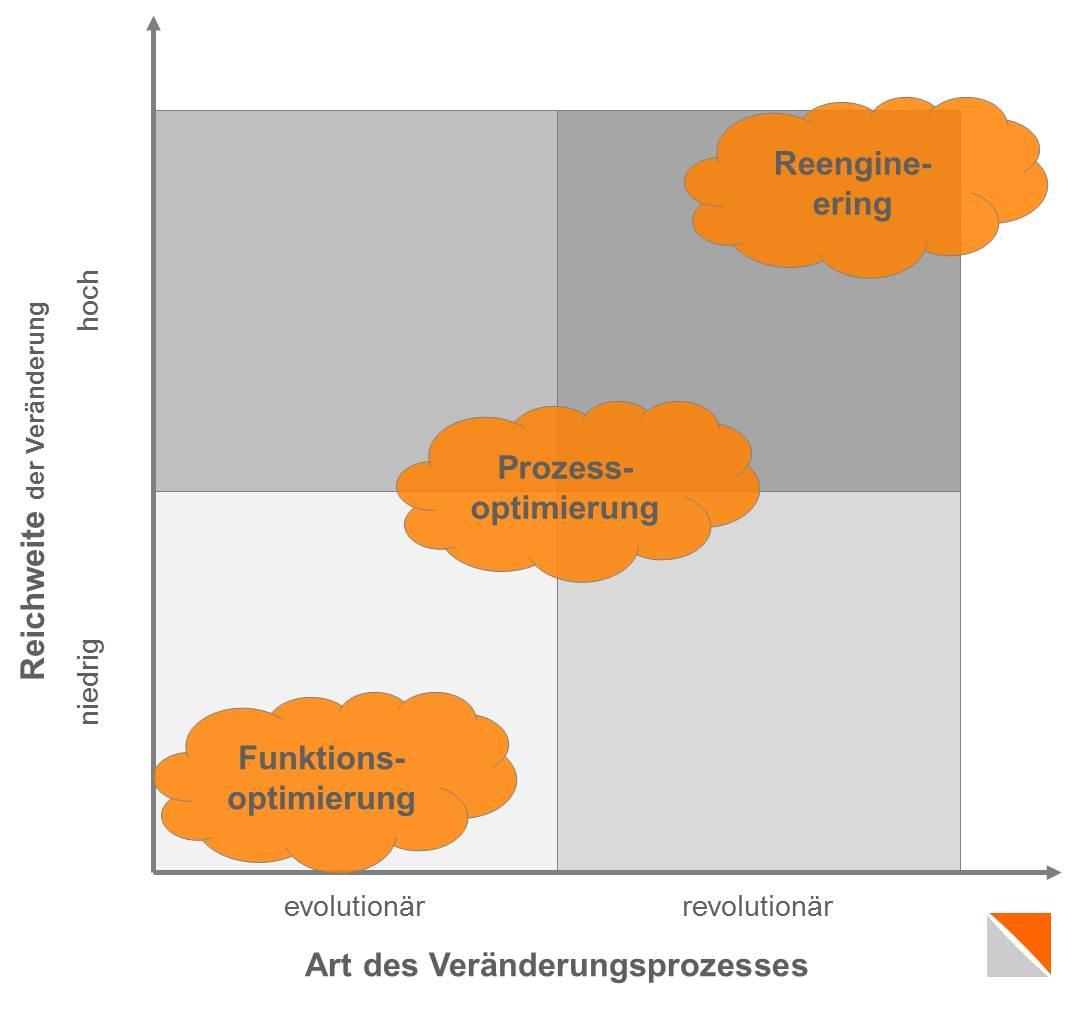 Graphic: changes as steps in the organizational learning process
► Consulting results
- Detailed analyses of functional areas and process chains
- Transparency regarding weaknesses (order throughput, productivity, layout, material flows, technology)
- Action list with optimization approaches (technical, logistics-related, economic)
- Identification of initial savings (“quick wins”)
- Impulses for initiating short- and long-term optimization measures
Results at a glance:
- Transparency
- Efficiency
- Cost savings
Referenzen
The desire of companies to become leaner has little to do with vanity. Efficiency and cost savings are standard objectives in many organizations – whether related to process effort or workforce deployment, lead time or inventory levels.
When it comes to efficiency, experience and sound judgment are essential. As LogistikPlan consultants, we take an unbiased look at current processes. Based on the analysis results, we derive – together with the responsible managers in production and logistics – concrete optimization approaches. In this way, both small and large potentials are identified, carefully evaluated and prioritized in an action list.
Is lean your opportunity? Here are the details:
► Optimization objectives
Lean organizations fundamentally aim to eliminate waste of any kind. As long as it is not counterproductive, reducing effort directly leads to cost savings.
To improve logistics and production efficiency, LogistikPlan focuses on up to four resources that require different methodological approaches to optimization:
- Process efficiency: waste-free order processing with clear responsibilities
- Material efficiency: reduction of procurement effort, material costs and waste volumes
- Space efficiency: structuring and densification of functions, reduction of idle inventories
- Time efficiency: shortening lead times, increasing delivery reliability
► Analytical foundations
The starting point of efficiency consulting is the potential analysis. It serves to identify waste and quantify potential using
- qualitative analysis methods (e.g. process workshops, interviews, observations), or
- quantitative analysis methods (e.g. data evaluations, work sampling studies, value stream analyses).
► Consulting focus areas
Possible focus areas of LogistikPlan efficiency consulting include
- technical topics (for example material efficiency, technology and ergonomics, mechanization and automation)
- organizational topics (for example order planning and control, Lean Production or CIP)
- time-related topics (for example multi-machine operation, setup optimization, lead time)
Graphic: changes as steps in the organizational learning process
► Consulting results
- Detailed analyses of functional areas and process chains
- Transparency regarding weaknesses (order throughput, productivity, layout, material flows, technology)
- Action list with optimization approaches (technical, logistics-related, economic)
- Identification of initial savings (“quick wins”)
- Impulses for initiating short- and long-term optimization measures
Results at a glance:
- Transparency
- Efficiency
- Cost savings